A whole universe.
One familiar example.
See it in a picture. Try a familiar example.
Understand space, cells and Earth one step at a time.
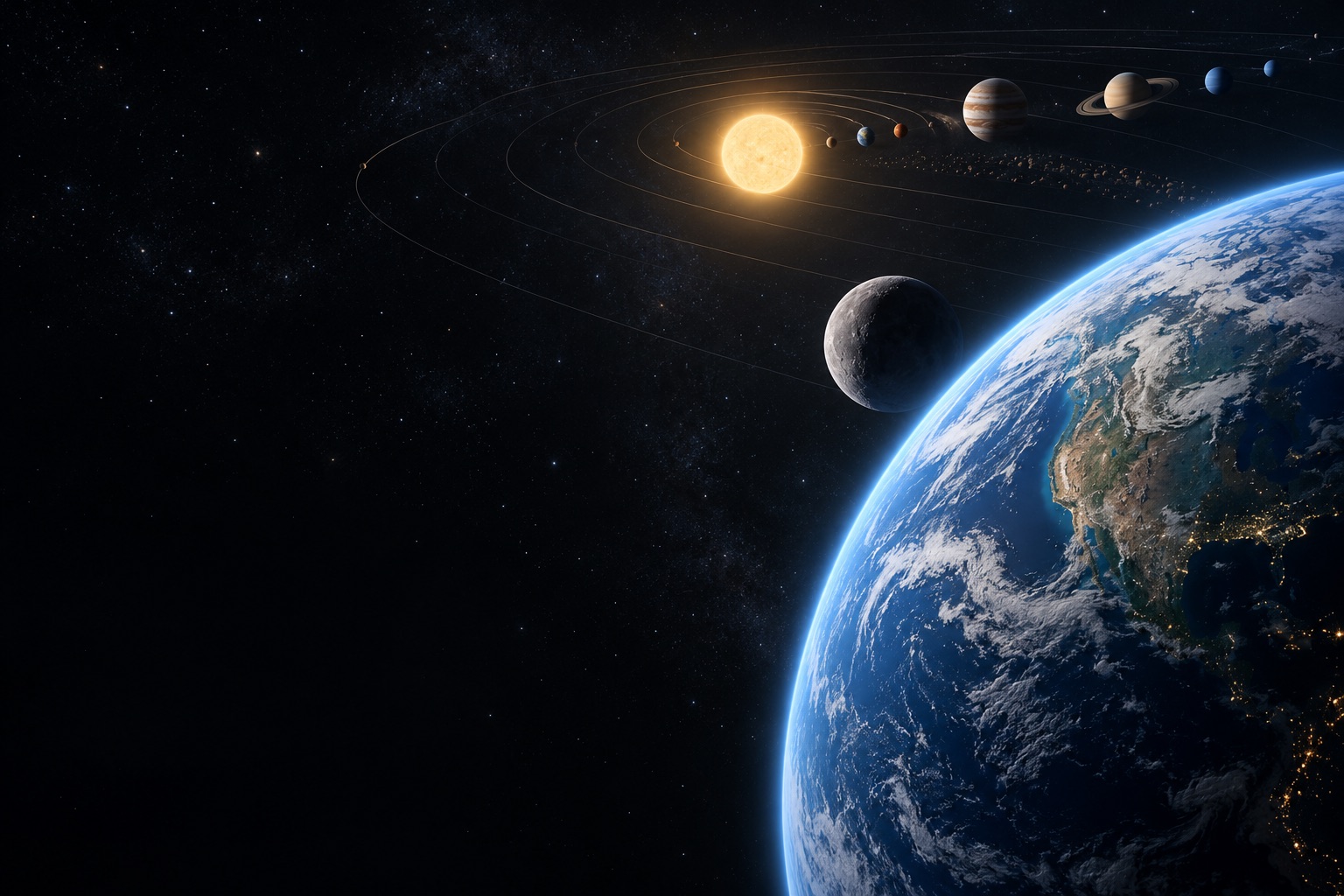
Into the extraordinary.1 m → The Solar System and beyond A journey into the smallLook closer.

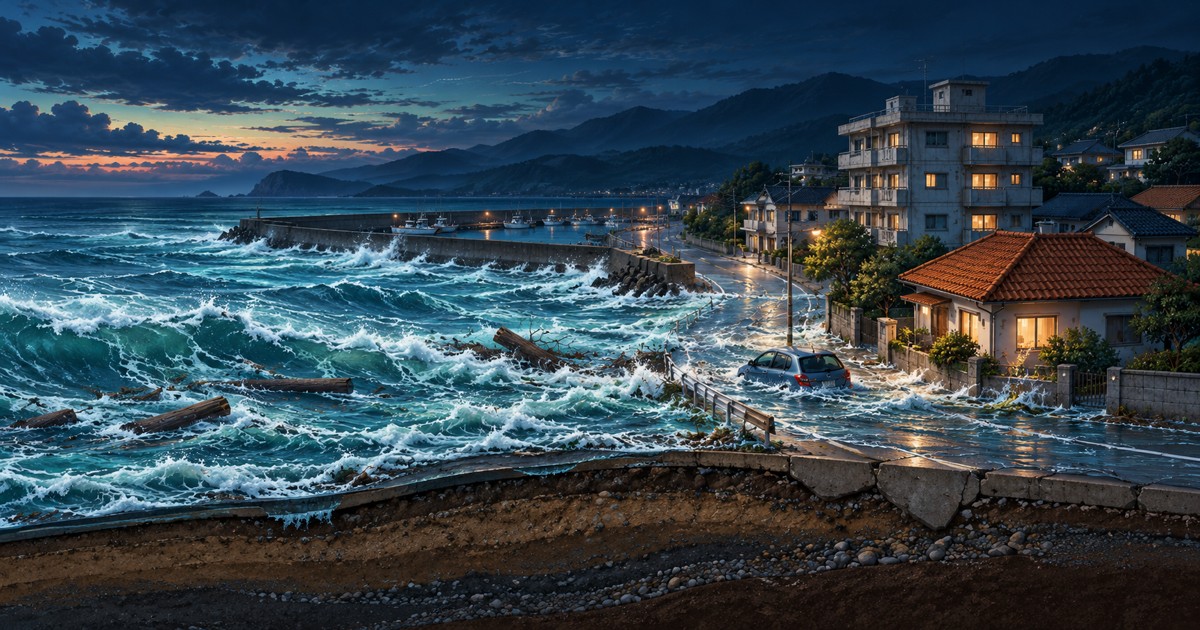
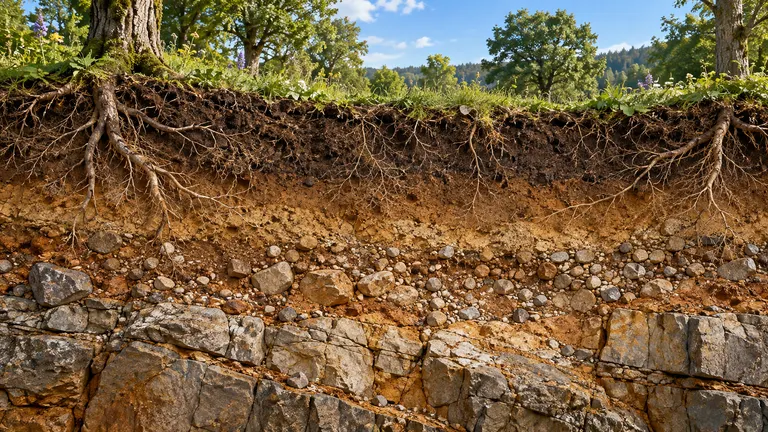
Discover more.1 m → Cells, atoms and particles Explore Downward0 km → 6,371 kmJourney to Earth’s core The Tsunami Scale0.5 m → 20 mWater, scale and damage mechanisms
Three questions you can test
Choose a model, change one assumption, and keep a link to your result. Each experiment shows its calculation and sources.
ScaleTrip Blog
A fresh perspective on science
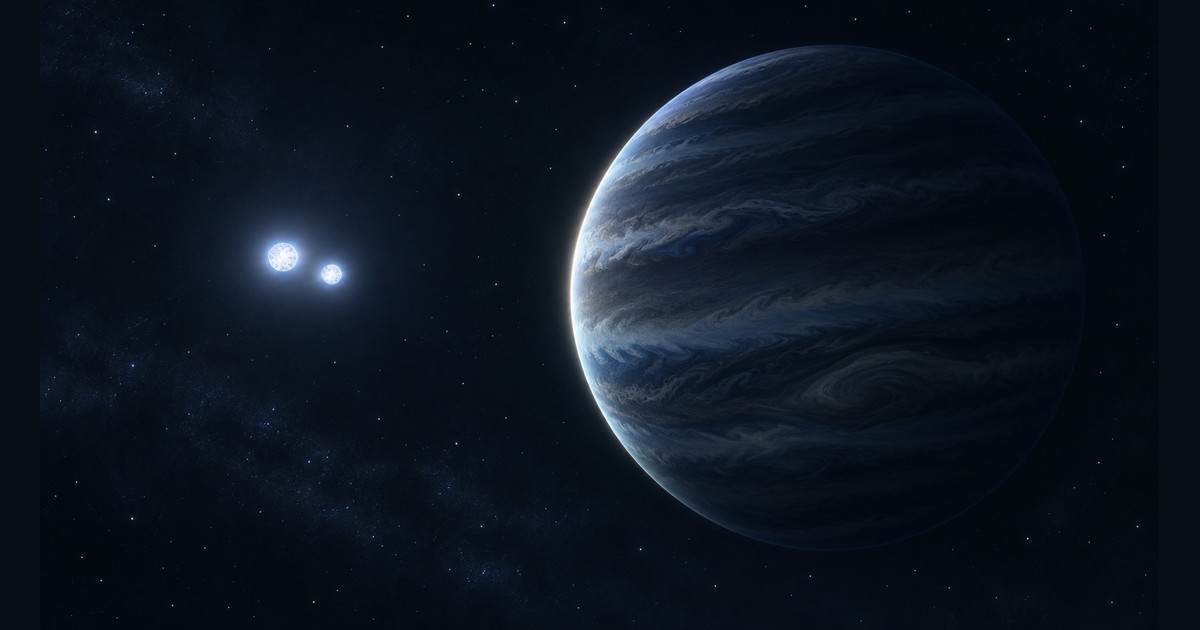
Hidden planets in gravitational waves: the LISA idea
Could a hidden planet leave a clue in gravitational waves? Explore the forecast and the vast scale of a future space observatory.
Read the story ↗Start with a question, understand it with a picture
No need to know the formula first. Look at an example, follow the calculation, then check the evidence.
Explore any distance
Enter a distance. See what compares.
Decimals are supported and thousands separators appear automatically.
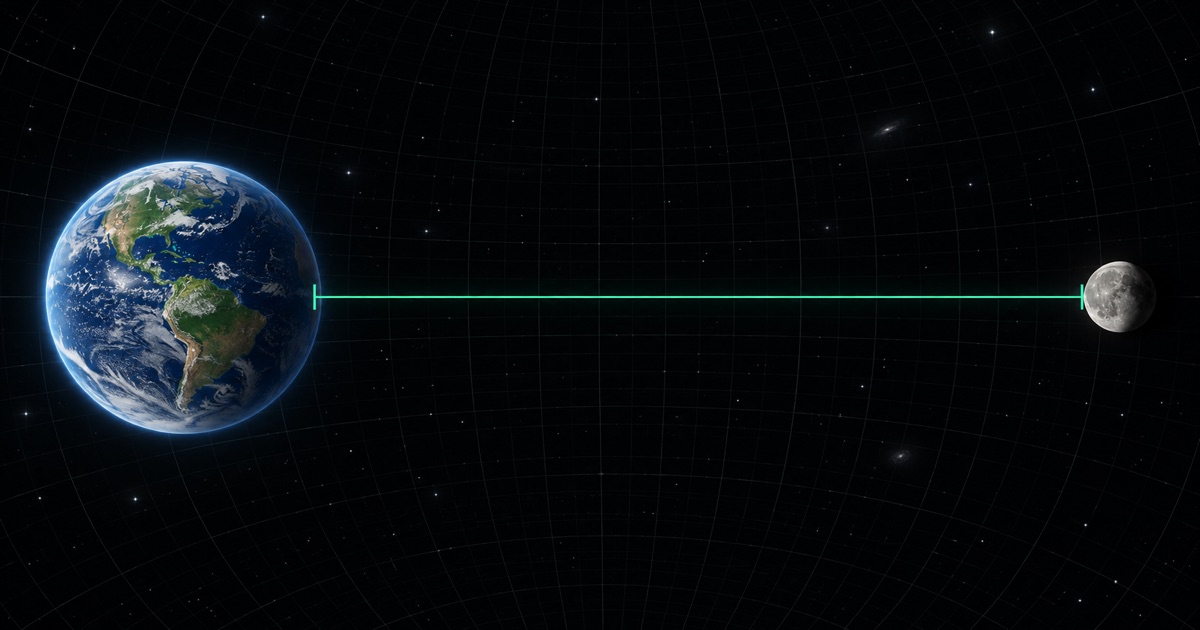
The average centre-to-centre distance from Earth to the Moon.
Bars: actual length ratio. Artwork: browsing size.
The references just below and above
Nearby references are selected by their distance on the logarithmic scale.
Time at constant speed
Time = distance ÷ speed · Assumes no acceleration or stops.
A constant-speed calculation for comparing distance scales. Ground-vehicle times through planetary interiors or space are mathematical comparisons; real space travel requires orbital dynamics and changing velocity.
Objects move along logarithmic spacing, while size is compressed from the real ratio to remain legible.
Artwork and diagram notes
Object, landmark, planet and cosmic-scale artwork is original AI-generated imagery made for ScaleTrip. Maps use public-domain Natural Earth boundaries. Illustrations use logarithmic visual compression to keep objects recognizable; the numerical measurements retain their real values.
Build a scale modelChoose two references and change the model size.
Build a scale model of any two lengths
Choose from all 71 Macro and 54 Micro references, or enter your own length. Set B’s model length and see A change on the same fixed metre ruler. The bars represent the stated lengths, including their different measurement definitions.
- Length ratio A / B
- Model length B
- Calculated model length A
A · Chosen distance A
550 m
A chosen input length, not a new measurement of a reference.
User / page input
The ratio follows this input assumption.
Definition and evidence reviewOriginal sourceB · Burj Khalifa
828 m
Architectural height from the lowest significant open-air pedestrian entrance to the architectural top, 828 m.
Source claim checked
Includes the architectural spire, excludes functional antennae. Distinguish the separately listed 829.8 m tip height and 584.5 m highest occupied floor.
Definition and evidence reviewOriginal sourcemodel A = (A / B) × model B
This calculator uses the existing journey comparison inputs. Review-pending or conceptual entries remain illustrative inputs here; the public reviewed dataset keeps their numeric values withheld. Radius, height, diameter and experimental bound keep their individual definitions.
Worth a closer look
From the gap to the Moon to the width of DNA. Choose a scale to explore.
Outward
From 1 m to planetary distances
- Earth → Moon384,400 kmAverage centre-to-centre distance
- Earth → Sun149.6 million kmAverage orbital separation, about 1 AU
Inward
From 1 m to molecular and nuclear scales
- Human hair50–100 µmRepresentative diameter range
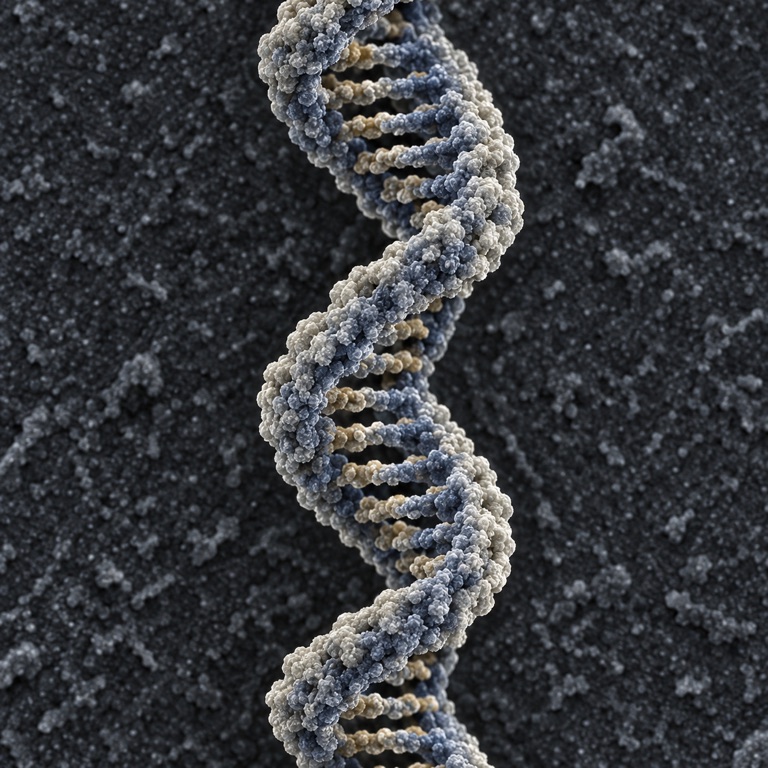
- DNA double helix≈ 2 nmDouble-helix diameter
- One nanometer10⁻⁹ mExact unit marker
- Proton charge radius0.84075 fmCharacteristic radius of the measured charge distribution
Scale of the Day
12,742 km
How wide is Earth?
ScaleTrip uses 12,742 kilometres as Earth's rounded mean diameter. Diameter is the straight line through Earth's centre from one side of the surface to the other.
Explore this scaleA new starting point for your next discovery.
A good question changes how you see.
Why does one step mean ten times larger? How can we know what is inside Earth? Follow the evidence, then test an idea yourself.
Explore the science libraryTry a linear and logarithmic ruler
Try it: same values, different ruler
Does equal spacing mean an equal difference?
On this 1–1,000 ruler, the small values crowd at the left. Their labels are listed separately below so they remain readable.
- 1
- 10
- 100
- 1,000